
Sauna vs. Cold Plunge: What’s Supportive, What’s Stressful, and Why It Matters for Women
Cold plunging has become one of the biggest trends in wellness, but not everything that goes viral is appropriate for every body. While cold exposure can offer benefits in the right context, there is a difference between practices that strengthen your system and practices that shock it.
Sauna and cold plunging activate the body in completely different ways. Understanding how each affects your hormones, nervous system, and stress response is essential, especially for women who already juggle the demands of work, motherhood, emotional load, and daily stress.
This is a grounded look at how each modality works and what is truly supportive versus overstimulating.
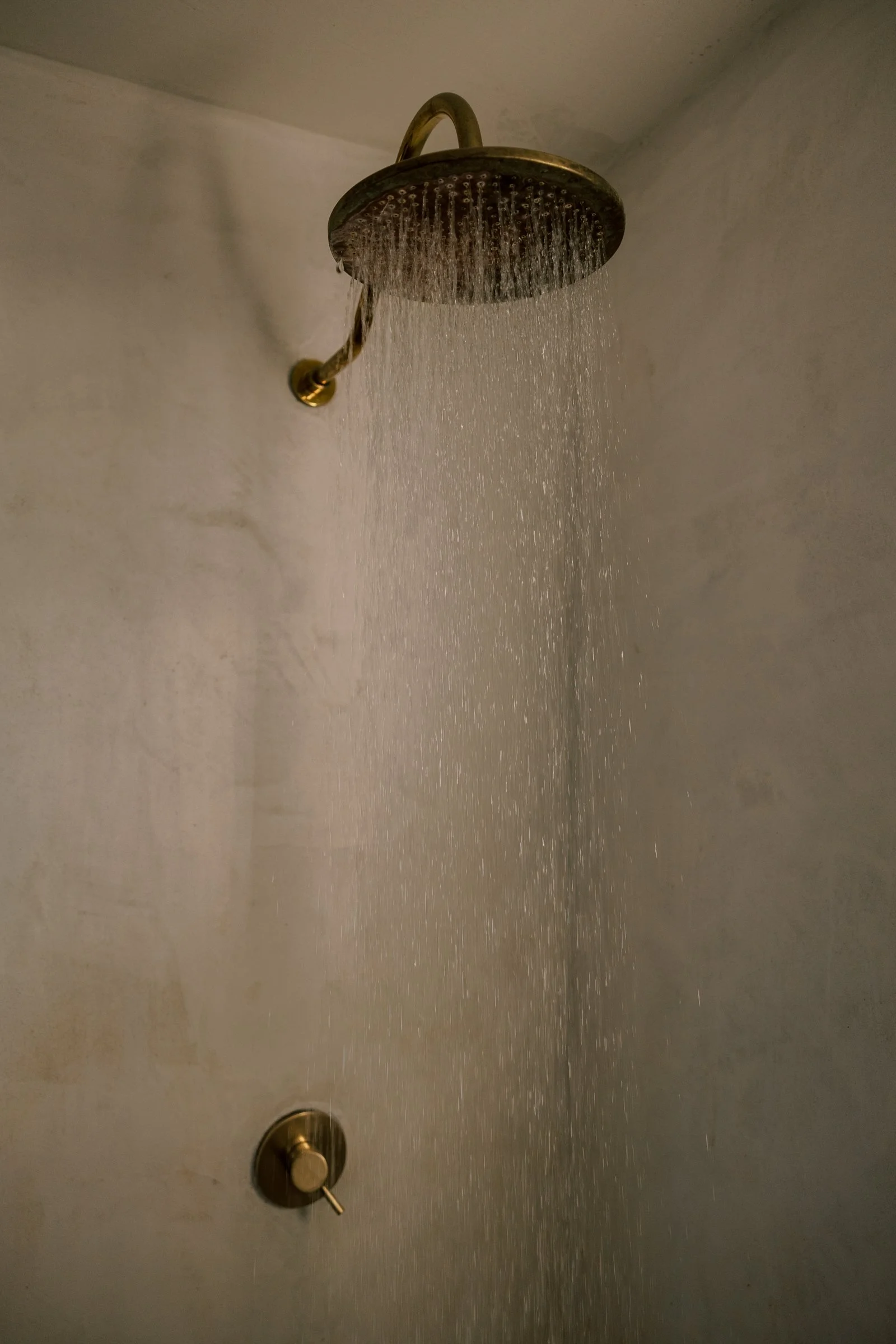
A reminder that warmth can regulate the body in ways cold shock cannot.
Why Sauna Supports the Body More Gently
Sauna is one of the most researched therapeutic practices, and its benefits are well established. Gentle heat encourages vasodilation, supports circulation, softens muscle tension, and helps the body transition from a stressed state into a parasympathetic one.
Most importantly, heat tends to work with the body rather than against it. It provides a predictable physiological response without the abrupt shock that cold exposure creates.
Sauna may support the following:
• steadier cortisol patterns
• improved relaxation and sleep
• enhanced circulation
• decreased muscle tension
• improved lymphatic flow
• reduced perceived stress
• menstrual comfort and cycle support
Heat encourages the body to open, release, and soften. For many women navigating hormonal shifts, chronic tension, fatigue, or nervous system dysregulation, this matters more than the extreme sensations promoted in modern wellness trends.
Why Cold Plunging Can Be Stressful or Even Counterproductive
Cold exposure is not inherently harmful. In fact, it can offer benefits in controlled settings and for individuals whose nervous systems and hormonal foundations are already stable. But the way cold plunging is currently popularized often encourages extreme temperatures, long durations, and repeated exposures without an understanding of the stress load it places on the body.
Cold plunging triggers an immediate fight-or-flight response. Heart rate increases, blood vessels constrict, and cortisol rises. For someone whose body can absorb that stress in a healthy way, the cold can be invigorating. For someone already experiencing hormonal imbalance, fatigue, anxiety, poor sleep, cycle irregularity, or chronic stress, it can be too much.
Cold plunging may become problematic for women who are navigating:
• adrenal dysfunction or chronically low cortisol
• high anxiety or nervous system hypervigilance
• PMS or PMDD
• thyroid challenges
• perimenopause
• disrupted sleep
• chronic stress or burnout
• postpartum recovery
• irregular cycles
In these cases, the stress response triggered by cold immersion may outweigh any potential benefits. It can heighten nervous system tension, disrupt sleep, worsen PMS, or leave the body feeling unsettled rather than strengthened.
This does not mean cold exposure is bad. It means the foundation matters. Without stability, the stress is simply too sharp.
Gentler Alternatives to Cold Plunging
If the appeal of cold exposure is the increased alertness or circulatory benefits, there are more supportive methods that do not shock the system.
These include:
• a cool rinse at the end of a warm shower
• stepping outside into crisp morning air
• splashing cool water on the face
• brief exposure rather than full immersion
These practices provide a similar refreshing effect without forcing the body into an extreme stress response.
Which One Should You Choose
For many women, sauna is the more supportive option. Its benefits are well-documented, and its impact on the nervous system is gentler, steadier, and more predictable. It encourages relaxation, improved circulation, and deeper rest.
Cold plunging can still be appropriate for some individuals, but it requires a stronger foundation, a regulated nervous system, and a clear understanding of personal health. Without those pieces in place, the body interprets cold exposure not as a wellness tool but as a threat.
A Final Reminder
Wellness does not need to feel extreme to be effective. Gentle practices are often the ones that create the most lasting change. Your hormones respond best not to shock, intensity, or performance, but to consistency, calm, and practices that support your body’s natural rhythms.
If your body is asking for softness, listen to it.
If your nervous system is craving steadiness, honor it.
Not every trend is meant for every season of your life.